
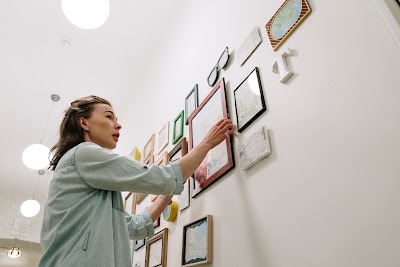
Contemporary art is often imagined as something temporary – a canvas on a wall, a sculpture in a gallery, a print sold for a season. But many artists today are thinking beyond the moment of display. They are finding ways to turn physical works into lasting keepsakes that collectors, clients, and audiences can hold onto for years.
That shift matters. In a digital world where images move quickly and attention is short, a physical object can feel more valuable because it is tangible, personal, and harder to replace.
For artists, it is also a way to extend the life of a work without losing its original meaning.
Why physical art keepsakes still matter
A keepsake is more than a souvenir. It is something that carries memory, emotion, and proof of a real artistic moment. For contemporary artists, that can mean turning one artwork into several forms that preserve the story behind it.
This approach works because people connect with objects in a different way than they connect with files or social posts. A printed page, a bound collection, or a carefully packaged edition invites slower attention. It gives the work a physical presence that can live in a home, studio, or archive.
It also helps artists build a more sustainable legacy. Original works may be sold, gifted, or even damaged over time, but reproductions and companion pieces can keep the work accessible long after the exhibition closes.
From original artwork to archival keepsake
The process usually starts with high-quality documentation. Artists photograph, scan, or film their work so the colors, texture, and scale are captured as accurately as possible. This step is essential because the final keepsake can only be as strong as the source material.
Once the work is documented, artists decide what kind of object best serves the piece.
Sometimes that means a limited-edition print. Other times it means a catalog, a booklet, or a custom publication that gathers sketches, installation views, and notes from the artist.
Common formats artists use
Artists often choose formats that match the style and purpose of the original work:
- Limited-edition prints for collectors
- Exhibition catalogs for galleries and museums
- Artist books that combine images and writing
- Framed reproductions for interior spaces
- Custom publications for commissions, grants, or milestones
Each format serves a different audience, but the goal is the same – to preserve the essence of the work in a form that lasts.
The role of storytelling in turning art into a keepsake
A lasting keepsake is not only about image quality. It is also about context. People are more likely to treasure a physical art object when they understand where it came from, why it was made, and what the artist was thinking at the time.
That is why many contemporary artists include short essays, captions, handwritten notes, or behind-the-scenes images in their physical editions. These details do not just explain the work – they deepen the emotional connection.
For example, a collector may appreciate a print, but a collector who also receives a note about the inspiration behind it may value it more deeply. Storytelling gives the object a human dimension, which is often what turns an art piece into a keepsake.
How artists preserve quality when making physical editions
Preservation depends on more than design. Materials matter. If an artist wants a work to last, they need to think about paper, inks, binding, and storage from the beginning.
Archival materials are commonly used because they are made to resist fading, yellowing, and deterioration. Pigment-based inks, acid-free paper, and durable binding methods can all help a piece survive for decades. For works meant to be displayed, framing and environmental control also play a role.
This is where many artists seek out professional production help. They want the final object to reflect the care put into the original work. A poorly made reproduction can weaken the artwork’s impact, while a well-crafted one can enhance it.
Using books and printed collections to preserve an artistic body of work
One of the most effective ways contemporary artists create lasting keepsakes is by turning a series of physical works into a printed collection. A book can hold not only finished pieces, but also process images, references, and reflections. It becomes both an archive and artifact.
This is especially useful for artists who work across multiple pieces or installations. Instead of letting those works live only in exhibition records, a printed collection gives them a second life. It can be shared with collaborators, given to patrons, or sold as a limited-edition object.
For artists who want to document their work in a polished, collectible format, a practical next step is to make a photo book. A well-designed book can preserve the emotional and visual story of a body of work while creating something people are proud to keep.
Why collectors value art keepsakes
Collectors are often drawn to the feeling that they own a piece of the artist’s journey, not just an image. Physical keepsakes offer that sense of closeness. They can carry signatures, edition numbers, personal notes, or design choices that make them feel distinct.
There is also a practical reason for their appeal. Unlike digital files, physical objects can be displayed, shelved, gifted, and revisited without needing a screen. That makes them easier to live with over time.
In many cases, the keepability of an object adds to its value. A thoughtfully made publication, print, or portfolio can become part of a collector’s home or archive in the same way a painting or sculpture might.
The difference between merchandise and meaningful keepsakes
Not every printed object becomes a keepsake. The difference is intention. Merchandise is often made to promote a name or image. A keepsake is made to preserve meaning.
Contemporary artists who understand this distinction focus on design, material quality, and narrative coherence. They avoid making objects that feel generic or detached from the original work. Instead, they create physical pieces that still feel like part of the artwork’s life.
That is why even modest formats can be powerful when done well. A small booklet with thoughtful sequencing and strong printing can feel more valuable than something expensive but soulless. The emotional connection matters as much as the finish.
How artists can extend a work’s life beyond the studio
The smartest artists do not treat physical works as one-time events. They think about how a piece will live after the studio, after the gallery, and after the show has ended. This mindset opens up more ways to preserve and share the work.
A single artwork can become:
- A gallery piece
- A collectible print
- A documented archive
- A bound publication
- A gift or commemorative object
When artists plan for these possibilities early, they can protect the integrity of the original work while giving it a longer public life. That makes the art more accessible without making it feel disposable.
Conclusion
Turning physical works into lasting keepsakes is not about copying art for the sake of selling more objects. It is about preserving meaning in a form people can keep, revisit, and treasure.
For contemporary artists, this means combining strong documentation, thoughtful storytelling, and quality materials.
If you are an artist, curator, or collector, the opportunity is simple: treat the physical object as part of the art experience, not an afterthought. Start with the story you want to preserve, then choose the format that best carries it forward.