
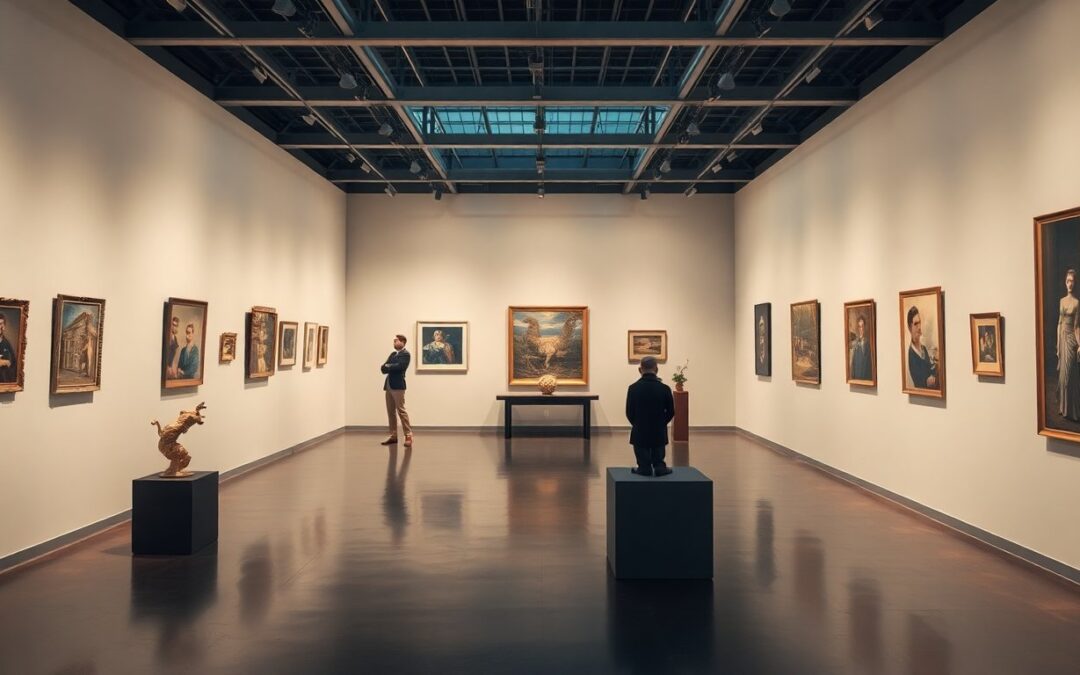
The-art world galleries serve as public marketplaces, cultural hubs, and career engines for artists. They host shows, sell work, and build artists’ reputations. The-art world galleries work with collectors, curators, and institutions. They use physical spaces and digital tools. This article explains how the-art world galleries function now and what collectors and visitors should expect.
Key Takeaways
- The-art world galleries serve as vital intermediaries that promote artists, curate exhibitions, and facilitate sales while balancing commercial and cultural goals.
- Different gallery models—including commercial, nonprofit, hybrid, and pop-up—affect how galleries select artists, price works, and engage with collectors and visitors.
- Galleries discover artists through studio visits and referrals, offering representation that includes promotion, production support, and career advice.
- Galleries generate revenue primarily from sales commissions, editions, services like shipping and framing, and occasionally from grants or event rentals.
- Collectors should actively engage with galleries by verifying provenance, commission terms, and inspecting works in person when possible for informed purchasing decisions.
- Visitors can enhance their gallery experience by checking schedules, asking questions, and subscribing to mailing lists or online viewing rooms to stay informed about new shows and editions.
What Is An Art-World Gallery Today?
The-art world galleries act as intermediaries between artists and audiences. A gallery schedules exhibitions, promotes artists, and handles sales. Galleries curate shows that highlight specific practices or themes. Galleries manage shipping, insurance, and documentation for artworks. Galleries also cultivate relationships with collectors and institutions. They provide context through wall text, catalogues, and talks. Some galleries run education programs and residencies. The-art world galleries use social media and online viewing rooms to reach buyers beyond their city. They balance commercial goals with cultural aims.
Types Of Galleries And How They Differ
Galleries vary by mission, size, and funding. Commercial galleries focus on sales and artist representation. Nonprofit galleries focus on access, research, and public programs. Hybrid galleries mix commercial activity with grants or public funding. Pop-up galleries offer short-run shows in temporary spaces. Each model changes how a gallery selects artists and prices work. The-art world galleries in different models attract different audiences and collectors. A collector may prefer commercial galleries for resale potential. A visitor may prefer nonprofit galleries for experimental programs.
Commercial, Nonprofit, Hybrid And Pop-Up Models
Commercial galleries sign artists to representation agreements and handle sales. They set gallery prices and take commissions. Nonprofit galleries apply for grants and run free programs. They often show emerging or risky work. Hybrid galleries sell work but also run funded projects. Pop-up galleries rent short-term spaces for site-specific projects or market tests. Pop-ups reduce overhead and let curators test new neighborhoods. Each model affects how the-art world galleries allocate resources and serve communities.
How Galleries Discover And Represent Artists
Galleries find artists through studios visits, art school shows, and referrals. Curators and directors review portfolios and visit presentations. Galleries offer representation when they see consistent quality and market interest. Representation can include solo shows, production support, and promotion. Galleries negotiate consignment terms, commission splits, and exhibition schedules. A gallery may fund new work production or connect an artist with a fabricator. Galleries help place work in museums and private collections. The-art world galleries also monitor secondary market demand and advise artists on pricing and career moves.
How Galleries Make Money: Sales, Editions, Commissions And Services
Galleries earn income from primary sales of original works. They also sell limited editions and prints to reach wider buyers. Galleries charge commissions on sales, typically between 30% and 50%. They sell art advisory, shipping, framing, and installation services. Galleries may rent space for events and charge fees. Some galleries secure project grants or sponsorships for exhibitions. Galleries also earn from licensing and reproduction rights in selected cases. The-art world galleries diversify revenue to cover staff, rent, and production costs.
Visiting, Buying, And Engaging With Galleries: Practical Tips For Collectors And Visitors
Visitors should check gallery hours and exhibition dates before arrival. They should read texts and ask questions at openings. Collectors should request condition reports and provenance for works of interest. Collectors should ask about commission splits, return policies, and payment terms. Buyers should inspect work in person when possible and verify shipping costs. Visitors can join mailing lists to get invitations to previews and fairs. They can follow galleries’ online viewing rooms for new editions. The-art world galleries welcome respectful questions and long-term relationships: buyers often benefit from patient research and clear communication.