

Outdoor spaces have become an extension of artistic expression, blending landscape design with sculpture, installations, and functional aesthetics. Gardens are no longer just green backdrops but curated environments where creativity and structure work together. As artists and designers explore new ways to shape these spaces, materials play a crucial role in both visual impact and usability. The growing use of pet-friendly turf in the first stages of planning has helped redefine how art gardens remain accessible, clean, and visually consistent throughout the year.
Rethinking the Garden as an Artistic Canvas
A garden designed for art is fundamentally different from a traditional landscape. Instead of focusing purely on plants and seasonal growth, the emphasis shifts to form, texture, and flow. Paths, open areas, and viewing angles are carefully planned to guide visitors through the space and highlight artistic features. This approach allows the garden itself to function as a living gallery that evolves with light, weather, and movement.
Synthetic turf supports this vision by providing a stable visual base that does not compete with artwork. Unlike natural grass, it maintains uniform color and texture, ensuring that sculptures and installations remain the focal point. Designers can create intentional negative space, where the surface’s simplicity enhances the art displayed.
Balancing Art and Functionality in Outdoor Design
While aesthetics are essential, outdoor art spaces must also be practical. Visitors need surfaces that are comfortable to walk on, safe in varying weather conditions, and durable under frequent foot traffic. Poor ground conditions can distract from the experience and limit how people interact with the space. Functional design ensures that art remains accessible without compromising its presentation.
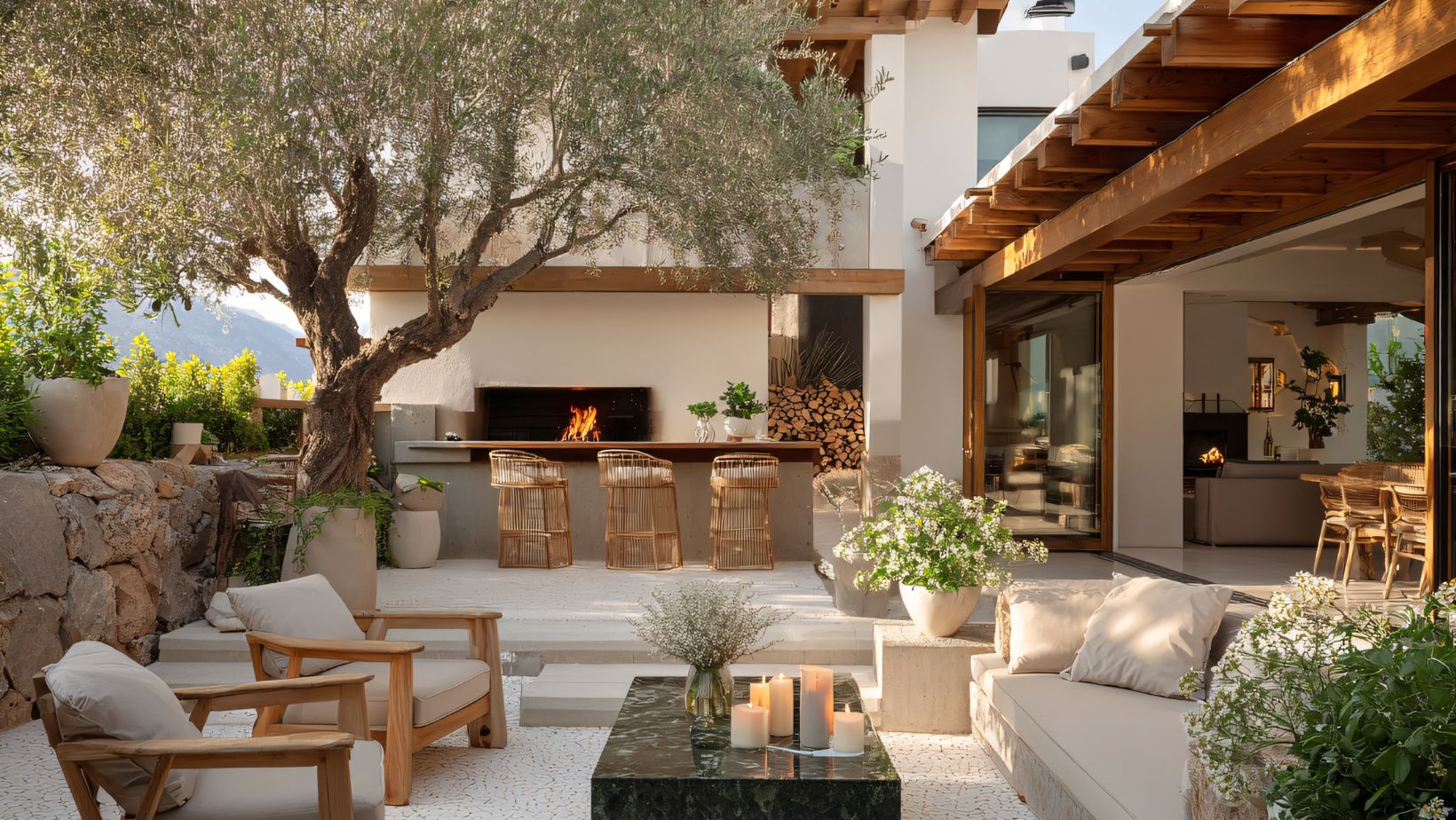
Synthetic turf offers a balance between form and function by delivering a clean, even surface that supports events, exhibitions, and daily use. It eliminates muddy areas and uneven ground that often disrupt outdoor installations. This consistency allows artists and curators to focus on creative expression rather than on ongoing surface-maintenance challenges.
Integrating Sculptures and Installations with Landscape Elements
Successful garden installations consider how artwork interacts with its surroundings. Sculptures placed directly on turf create a grounded, organic feel that contrasts with metal, stone, or abstract forms. This contrast enhances visual interest while maintaining a cohesive, welcoming overall environment. The landscape becomes part of the artistic narrative rather than a separate element.
Synthetic turf also allows for flexible installation placement. Because it does not require rest periods or seasonal recovery, pieces can be moved or rotated without damaging the surface. This adaptability supports evolving exhibitions and encourages ongoing engagement with the space.
Creating Visual Flow and Spatial Harmony
Visual flow is essential in outdoor art environments. Visitors should feel naturally drawn from one piece to the next without abrupt transitions or distractions. Consistent ground materials help establish rhythm and continuity throughout the garden. When the surface remains visually calm, the eye can focus on changes in scale, color, and form within the artwork.
Synthetic turf contributes to spatial harmony by providing a neutral yet inviting foundation. Its uniform appearance reduces visual noise and helps unify diverse artistic styles within a single setting. This cohesion is especially valuable in gardens featuring multiple artists or mixed-media installations.
Sustainability and Long Term Design Considerations
Sustainability has become a central consideration in modern art and landscape design. Outdoor installations must balance environmental responsibility with durability and performance. Traditional lawns often require significant water, fertilizers, and ongoing care, which can conflict with sustainable design goals. Choosing alternative materials can reduce environmental impact while maintaining aesthetic standards.
High-quality synthetic turf supports sustainability by reducing water usage and minimizing chemical inputs. Its long lifespan and low maintenance requirements make it a practical choice for long-term installations. Designers can align environmental values with creative goals by selecting materials that support both.
Enhancing Visitor Experience Through Comfort and Accessibility
An art garden should invite exploration and interaction. Comfortable surfaces encourage visitors to spend more time engaging with the space, whether they are walking, sitting, or attending events. Accessibility is also a key consideration, ensuring that people of all ages and abilities can enjoy the environment safely.
Synthetic turf offers a soft yet supportive surface that enhances comfort without sacrificing stability. Its even texture improves accessibility for strollers, wheelchairs, and mobility aids. By prioritizing visitor experience, designers create inclusive spaces where a wider audience can appreciate art.
Adapting Outdoor Art Spaces for Multiple Uses
Many garden installations serve multiple purposes beyond static display. They may host performances, workshops, or community gatherings that require adaptable surfaces. Flexibility in design allows the space to evolve while maintaining its artistic identity. Materials that support varied activities are essential to this adaptability.
Synthetic turf supports multifunctional use by withstanding frequent changes without visible wear. It transitions seamlessly from exhibition space to event venue while maintaining a polished appearance. This versatility makes it an ideal foundation for dynamic outdoor art environments.
Conclusion
Designing garden installations that successfully blend art and landscape requires thoughtful material choices and a clear creative vision. Synthetic turf has emerged as a valuable tool in shaping outdoor art spaces that are visually cohesive, functional, and sustainable. By providing a consistent foundation, it allows artwork to take center stage while supporting comfort and accessibility. As outdoor art continues to evolve, the integration of art and synthetic turf will become increasingly important in creating inspiring and enduring garden environments.