Artists directory the art world changes each year. It mixes markets, institutions, and creators. It drives cultural value and economic value. This article explains how the art world works in 2026 and who shapes it. It shows where people can visit, collect, or support art.
Key Takeaways
- The art world in 2026 blends fast digital growth with stable institutional influence, expanding access through online platforms and traditional venues.
- Museums, galleries, and artists form the core of the art world’s structure, shaping cultural taste and market value together.
- Market intermediaries like dealers, curators, and critics play crucial roles in validating work and influencing public opinion and prices.
- Digital platforms, including NFT and blockchain technology, increase accessibility and authenticity but coexist with physical exhibitions for buyer confidence.
- Access and diversity improve globally, yet structural changes are still needed to achieve full inclusion across leadership and market representation.
- Engagement opportunities include visiting exhibitions, collecting art thoughtfully, and supporting artists or institutions through volunteering and sponsorship.
What The Art World Looks Like In 2026
The art world shows fast digital growth and steady institutional power in 2026. Major museums keep public audiences and research programs. Private galleries handle primary sales and artist careers. Online platforms expand reach and lower entry barriers. Collectors use data and reports to make choices. Cities still host fairs and biennials that attract global attention. Funding splits between public grants, private donors, and corporate sponsors. Critics and writers keep cultural discussion alive. Overall, the art world mixes local scenes with global networks and new digital practices.
Main Players: Museums, Galleries, And Artists
Museums hold collections, organize exhibitions, and set standards. They influence which artists enter academic and market canons. Galleries represent artists, manage shows, and build collector relationships. They place work in institutions and private collections. Artists create work, develop practices, and reach audiences. They show in alternatives spaces as well as traditional venues. Emerging artists use residencies and micro-galleries to grow. Established artists rely on institutions and blue-chip galleries. Together, these groups make the core structure of the art world and shape taste and value.
Market Intermediaries: Dealers, Curators, And Critics
Dealers buy and sell works, advise collectors, and set market expectations. Curators plan exhibitions, write texts, and recommend acquisitions. Critics review shows and guide public opinion. Each intermediary acts as a filter and amplifier in the art world. They validate work and create narratives that affect value. Independent advisors and consultants add services for new collectors. Media coverage and social platforms increase visibility for some projects. Intermediaries work with artists and institutions to shape careers and market trajectories.
How The Art Market Works: Sales, Valuation, And Trends
The art market uses auctions, gallery sales, and private deals to trade work. Galleries sell new work and manage prices for living artists. Auction houses sell secondary-market works and set public benchmarks. Valuation uses provenance, condition, exhibition history, and scarcity. Market trends show growth in contemporary art and more interest in underrepresented regions. Data firms provide sales records and analytics for pricing. Collectors balance passion and investment goals. The art world reacts to economic shifts, but long-term value ties to cultural recognition and institutional endorsement.
Digital Platforms, Auctions, And NFTs
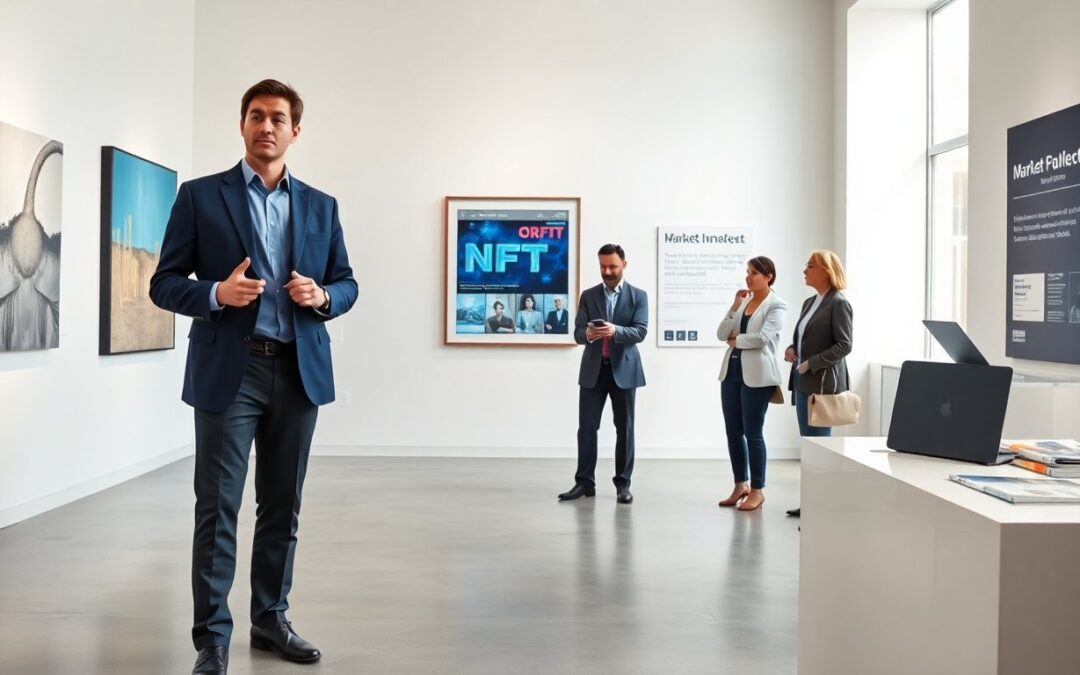
Digital platforms list works, show images, and process sales. Online auctions extend reach beyond local markets. Marketplaces host vetted listings and private-sales tools. NFTs provide authentication and new revenue for digital artists. They also create speculation and new legal questions. Blockchain records help track provenance and ownership. Platforms partner with galleries and auction houses to present hybrid sales. Digital tools give smaller artists and collectors more access. Still, physical exhibitions and hands-on examination remain important for many buyers and institutions in the art world.
Access, Diversity, And Globalization
Access to the art world grows in many regions. Museums open satellite spaces and loan works to new audiences. Funding supports community programs and education. Diversity improves in representation but gaps remain in leadership and market value. Globalization brings artists and buyers from more countries into the mainstream. Local traditions gain attention in international fairs. Language and travel costs still limit some participation. Policy and philanthropy can widen access. Overall, the art world shows more voices, but it still needs structural change to reach full inclusion.
How To Engage: Visit, Collect, Or Support
Visitors attend museums, fairs, and artist-run spaces to learn and enjoy work. Collectors start with research, condition checks, and building trusted relationships with dealers or advisors. They set a budget and focus on areas they understand. Supporters give time, donate funds, or sponsor exhibitions to help institutions and artists. Volunteers and local programs offer hands-on ways to participate. Online platforms let people buy prints, editions, or small works with lower cost. Each action helps sustain the art world and creates more entry points for new participants.