Digital tools have changed how artists create, edit, and share their work. From digital painting software to AI-assisted applications, creative professionals now have more ways to experiment with ideas and develop their artistic skills.
However, greater access to technology also brings an important challenge: maintaining a personal creative voice. When artists rely too heavily on automated features or popular digital styles, their work can begin to feel less individual.
The goal is not to avoid modern technology but to use it thoughtfully. By making conscious creative decisions, artists can benefit from digital tools while keeping their originality and artistic identity intact.
Understand What Makes Your Artistic Style Unique
Every artist develops a creative identity through personal experiences, preferences, and artistic decisions. Recognising these characteristics makes it easier to choose digital tools without allowing technology to control the final result.
Start by reviewing your previous artwork. Look for repeated patterns in your colour choices, composition, subjects, and techniques.
For example, an illustrator who prefers expressive brushstrokes and imperfect textures should be careful when using software that automatically produces smooth, polished results.
Artists can also ask themselves three questions:
- What emotions do I want my artwork to communicate?
- Which visual elements make my work recognisable?
- Does this digital feature support my original idea?
These questions help artists evaluate technology based on creative needs rather than trends.
Use AI Tools Without Losing Creative Control
Artificial intelligence can assist with brainstorming, image editing, and organising creative projects. However, automated suggestions should remain starting points rather than instructions that determine every artistic decision.
For instance, an artist creating an exhibition concept might use AI to generate initial ideas. The final theme, visual direction, and artistic message should still reflect personal interpretation.
Written content also deserves attention. Artists frequently prepare exhibition descriptions, portfolio introductions, and personal statements.
An AI text detector may be used as one part of reviewing AI-assisted writing, although such systems cannot reliably establish authorship on their own. Artists should prioritise accurate descriptions, personal experiences, and their natural writing style instead of relying on automated scores.
This approach helps maintain consistency between the artwork and the story behind it.
Combine Traditional Artistic Skills With Digital Techniques
Digital technology works particularly well when it supports skills artists have already developed. Traditional drawing, painting, photography, and composition principles remain useful regardless of the software involved.
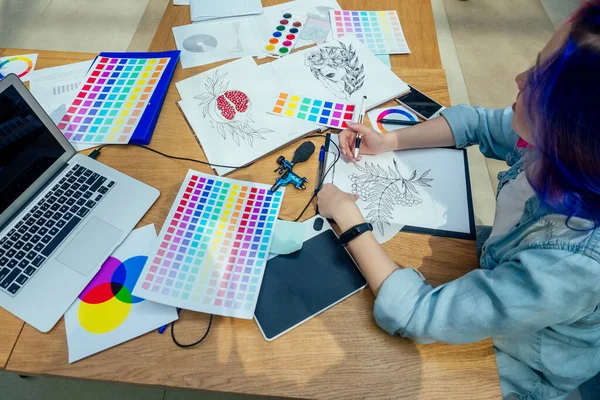
Artists can combine physical and digital methods to create work that reflects their individual techniques.
Start With Hand-Drawn Concepts
Before opening design software, try sketching ideas on paper. This encourages independent thinking without the influence of automatic filters or suggested templates.
A painter might sketch a composition traditionally before scanning it and experimenting with digital colours.
Keep Personal Textures and Details
Digital editing applications often include preset brushes, effects, and textures. While convenient, relying exclusively on these features can make different projects look similar.
Creating custom brushes, incorporating scanned materials, or preserving natural imperfections can help artwork retain its individual character.
Keep Business Tasks Separate From Creative Work
Artists often manage responsibilities beyond producing artwork. Client communication, project schedules, payments, and administrative documents can consume valuable creative time.
Using digital tools for these responsibilities can help artists concentrate on their actual work.
For example, preparing an Invoice through a digital system can simplify payment documentation and make it easier to maintain organised financial records.
Project management applications can also help artists track deadlines, record client feedback, and organise commissions.
The important distinction is knowing which tasks benefit from automation. Administrative processes often follow predictable steps, while artistic decisions require personal judgement.
By automating routine responsibilities, artists can spend more attention on developing ideas and improving their techniques.
Review Digital Artwork Before Publishing
Digital tools make editing faster, but convenience can sometimes encourage artists to accept results without careful consideration.
Before publishing or submitting artwork, take time to evaluate whether it represents the original creative intention.
Check whether the composition communicates the intended message, whether automated effects have changed important details, and whether the finished piece still reflects your artistic preferences.
It also helps to compare the final artwork with early sketches. This reveals whether changes improved the project or simply followed suggestions from the software.
Keeping earlier versions provides a useful record of creative development and allows artists to revisit decisions later.
Conclusion
Maintaining a creative voice while using digital tools requires awareness, experimentation, and independent judgement. Technology can support artistic development, but it should never replace the personal decisions that make creative work meaningful.
Artists who understand their individual style, combine traditional skills with modern techniques, and review their work carefully can use digital tools without losing their identity.
Ultimately, the strongest creative results come from allowing technology to support human imagination rather than allowing automated features to define it.