
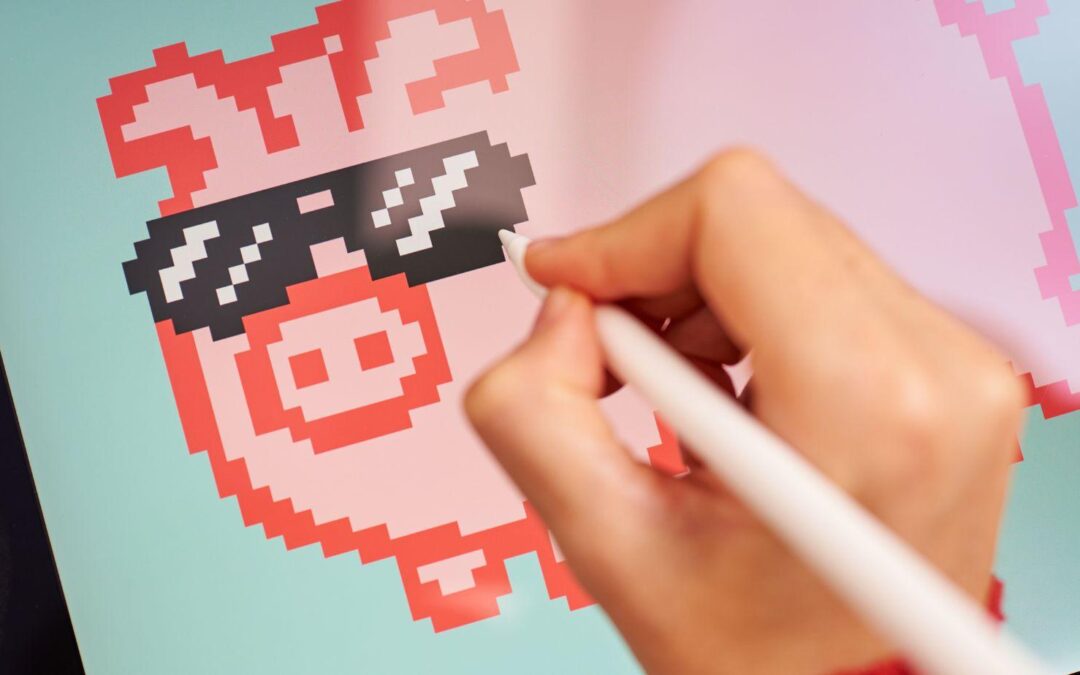
Over the past few years I've been paying attention to how art collectors are changing their behavior and the shift has been more dramatic than I expected. We're way past just paintings and sculptures now. I'm seeing people drop serious money on digital pieces, interactive experiences, and stuff that would've gotten you laughed out of a gallery in 2015.
Last month my friend Sarah who runs a small gallery in Portland mentioned that 34% of her sales come from artists working primarily on screens. Three years ago that number was basically zero. You walk into someone's apartment these days and there's a digital frame cycling through commissioned artworks and nobody blinks.
The Money Side Makes Sense Now
I was super skeptical about digital collecting initially, but younger collectors legitimately don't care about that distinction. They grew up with everything living on phones and laptops anyway.
I visited an artist in Melbourne who creates animated pieces that respond to sound in real time. You clap and the colors shift around. Play music and the whole composition starts dancing. She sold one piece for $3,200 in January to a buyer who displays it on a monitor in their office.
The traditional art world isn't going anywhere, but it's expanding in directions I find genuinely interesting. Galleries started offering both physical and digital versions of the same artwork.
Where Gaming Meets Art Collecting
Some artists now create work specifically for gaming platforms and interactive spaces where you don't just look at art but actually move through it.
Recently I tested something on a jetx website that got me thinking about visual design in these digital spaces. The graphics had this clean minimalist aesthetic that reminded me of certain contemporary artists I know. Bright colors with simple shapes and smooth animations. You could screenshot moments and honestly they'd look good framed.
And people are doing exactly that. I saw someone at an art fair in Brooklyn last September who had printed frames from various interactive digital platforms, each one numbered and signed. Sold four pieces for $125 each before lunch ended.
What Artists Are Actually Creating
I've talked to maybe a dozen digital artists in the past eight months and their work ranges all over the place but some patterns are emerging.
Some are making generative pieces that create unique variations every time you view them. Others work in AR sculptures you can only see through your phone camera. Interactive installations that change based on viewer participation are becoming more common. And then there's hybrid works combining physical materials with digital overlays which I find particularly compelling.
Most digital artists still sketch on paper first. They still think about composition and color theory and balance. The medium changed but not the fundamentals underlying good art.
I watched an artist in Toronto spend 47 minutes adjusting the blue values in a digital landscape with the same care a watercolor painter would take. Same artistic decisions happening. She just had an undo button.
Physical Galleries Aren’t Dead Yet
You'd assume all this digital stuff would kill traditional galleries but that hasn't happened. What I'm seeing instead is galleries showing both formats side by side. Walk in and there's oil paintings on the left wall with digital screens on the right.
A gallery owner in Austin mentioned his foot traffic went up 23% after adding digital artists to his roster. People come in curious about the screens and end up buying a ceramic piece. The mix brings in different crowds who wouldn't normally overlap.
And the conversations at openings got more interesting. People debate whether digital work counts as "real art," talk through preservation challenges, wonder about longevity questions. Better than standing around saying "nice brushwork" for the hundredth time.
Artists themselves seem pretty unbothered by format debates. They're just making work.