
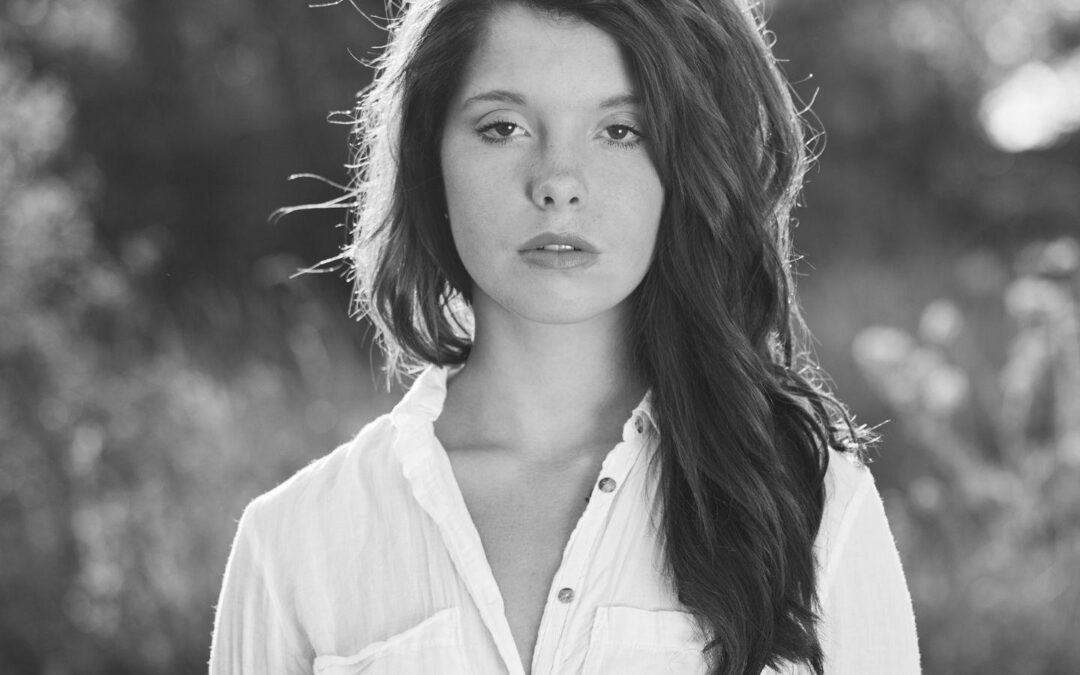
Portrait photography has always been about a lot more than just looks. The emotion, personality, and atmosphere are captured in the powerful portrait. In the era of modern photographic technology, where color is so pervasive that it dominates the majority of visual culture, black and white portrait photography still possesses a certain mystique and timeless allure that seems to possess a greater human touch.
Photographers will eliminate color and draw attention to light, shadow, texture, and expression. Everything is more deliberate. The emotional quality of an image can change entirely with just a few seconds of observation or tweaking of certain details, or by simply changing the direction of light. Black and white portraits are not just black and white photos; they’re visual narratives created through contrast and atmosphere.
Monochrome portrait photography is such an emotion-filled, simple form of photography that stands out in a saturated world of content and images that are scrolling as quickly as light. Black and white portraits can be taken in a studio or in natural light, and they are some of the most expressive types of portraits.
Why Black-and-White Portraits Remain Timeless
From film to digital editing and social media styles, black and white portrait photography has stood the test of time. Just because: Monochrome pictures capture the essence of a person rather than the distractions that colors can cause.
In the absence of color to draw attention, facial gestures, eye contact, body language, and composition take center stage. This enhances an emotional link between the subject and audience. Black and white photos tend to be more dramatic, intimate, and arty, as it’s less overwhelming and more powerful.
There is also a timeless quality to monochrome photography, which is linked to its history. In the 20th century, many of the iconic portraits were shot in black and white, which adds a sense of authenticity and permanence to the style. This works for today’s photographers because they are able to produce portraits that remain timeless in style.
In the portrait work of Sandra Schwaiger, the use of monochrome imagery is effectively used to develop intimacy and authenticity through the use of light, emotion, and subtle human details, without the need for vibrant colors.
The Power of Contrast in Portrait Photography
One of the most crucial aspects of black and white portrait photography is contrast. Without color, it is a photographer’s job to use the contrast between light and shadow to create a mood in a photograph.
Interactions with high contrast can sometimes produce strong and dramatic feelings. Both deep shadows and bright highlights can help create mystery, strength, or tension in a photo, and highlight the eyes, facial structure, or gestures. The shallow depth of field usually helps to emphasize depth and visual impact, which is often employed in editorial and cinematic portrait photography.
Soft contrast creates a more subtle and sensitive mood in contrast. Play with shadows and highlights to bring a portrait to a serene, sweet, or romantic look. This lighter monochromatic look works particularly well with natural window light.
Contrast is also greatly affected by the direction of the light. Side lighting can create contrasts and highlights on the face’s features and texture, while front lighting will create even and smooth tones. Every professional portrait photographer will know how to use contrast, not just as an aid to technical balance, but also to enhance emotion and personality.
Capturing Texture in Black-and-White Images
Texture plays a much greater role when a photograph is in black and white. Texture adds realism, atmosphere, and visual interest to any monochrome portrait.
The texture of the skin, hair, fabric, and other background elements adds to the feel of a photograph. Portraits in black and white tend to look more natural and real because the fine lines, freckles, and imperfections are more prominent. Many photographers don’t try to gloss over these details, but instead, they choose to embrace them as part of the story.
Garments and materials are also made visually apparent. Strong contrasts can be created with leather jackets, wool fabrics, flowing hair, or rough concrete walls, adding to the composition. The texture of monochrome photos is further accentuated by the grain and shadows.
The texture of a scene is important to maintain, and editing is a key factor in this. The ideal black and white portraits are balanced with the aim of highlighting detail but maintaining a natural and emotive look.
Emotion as the Core of a Strong Portrait
The key to making a portrait memorable is emotion. Without emotional engagement between the object and the viewer, technical perfection is not enough to make a meaningful image.
It is much easier to evoke emotion through black and white photography since there is no distraction of color. The viewer’s attention is directly attracted to expression, posture, and mood. A simple smile, tired eyes, or a slight tension in the face is more impactful monochromatically.
During portrait sessions, many photographers prefer to take the time to create a calm and unobtrusive setting so that their subjects can look completely relaxed and be able to show true emotion. Images that are often posed or overly polished may not generate the same impact as authentic images.
The composition also plays a part in the emotion. Close-ups can evoke intimacy, and negative space can evoke isolation or contemplation. When paired with deliberate lighting and monochrome colors, these elements are able to create a story out of a basic portrait.
Editing Techniques for Black-and-White Portraits
Often, a good black and white portrait starts in color before being carefully converted in post-processing. There’s more to editing than just cleaning up saturation – it’s about shaping tones, contrast, and detail to lead the viewer’s eye.
The first thing any photographer does is to make adjustments to exposure and balance highlights and shadows. The tonal range is extremely important since a monochrome image is dependent on the difference in brightness levels and not colors.
Dodging and burning are techniques that are used to emphasize depth and to guide the viewer’s attention to a particular part of the image, such as the eyes or facial features. Adjustments to contrast can help to highlight the structure, and film-inspired grain effects can be used to give the film that look.
Advanced grayscale control and texture are offered with professional editing software like Adobe Lightroom, Photoshop, and Capture One. Restraint, however, is crucial. Too much editing can take the emotion out of a photo and make it seem like a fake portrait.
The best monochrome portraits generally remain subtle, and emotion and composition dominate the picture.
Common Mistakes to Avoid
Although black-and-white portrait photography appears simple, several common mistakes can weaken the final result.
One of the biggest issues is flat lighting. Without strong tonal variation, monochrome images may appear dull and lifeless. Photographers should carefully shape light to create depth and dimension.
Over-editing skin texture is another frequent problem. Excessive smoothing removes realism and emotional authenticity. Black-and-white portraits often look more compelling when natural details remain visible.
Busy backgrounds can also distract from the subject. Since monochrome photography emphasizes shapes and contrast, cluttered environments may compete for attention. Minimal compositions usually create stronger visual focus.
Finally, photographers sometimes rely too heavily on black-and-white conversion to “save” weak images. A successful monochrome portrait still requires strong composition, emotion, and lighting from the moment the photograph is captured.
Inspiration from Modern Portrait Artists
Modern photographers are still exploring black and white portrait photography in fresh and innovative ways. Some artists are interested in the narrative of film, others in minimalist compositions, documentary realism, etc.
The dramatic lighting and the strong emotion in the subjects’ faces in editorial portrait photography often result in a visually striking monochromatic image. Fine-art photographers can play around with grain, blur, or unusual compositions to create abstract, emotional effects.
Monochrome has also experienced a resurgence of popularity on social media and digital platforms. Black and White photographs sometimes have a more considered and neutral quality in an era of colorful and rapidly changing visual trends.
Today, some portrait photographers use monochrome shooting as an artistic style as well as to express a more direct emotion in their work. The lack of color helps viewers to focus and take the time to look at the subject in greater detail.
Conclusion
Although black and white is a common style for landscape photography, it can also be used to capture the essence of people. Portrait photography in black and white is one of the most compelling genres of photography because it is all about the things that really matter: light, texture, contrast, and emotion. Photographers eliminate color, allowing the human expression to be the focus of the image.
Portraits in monochrome, dramatic or minimal, soft or high-contrast, have an enduring impact and are emotionally honest. Black and white portrait photography is timeless and has endured through the ages because of its technical skill and emotional expression.
Black and white portraits are important in an era of fast-moving digital images because they illustrate that sometimes it’s the simple thing that makes the greatest impression.