
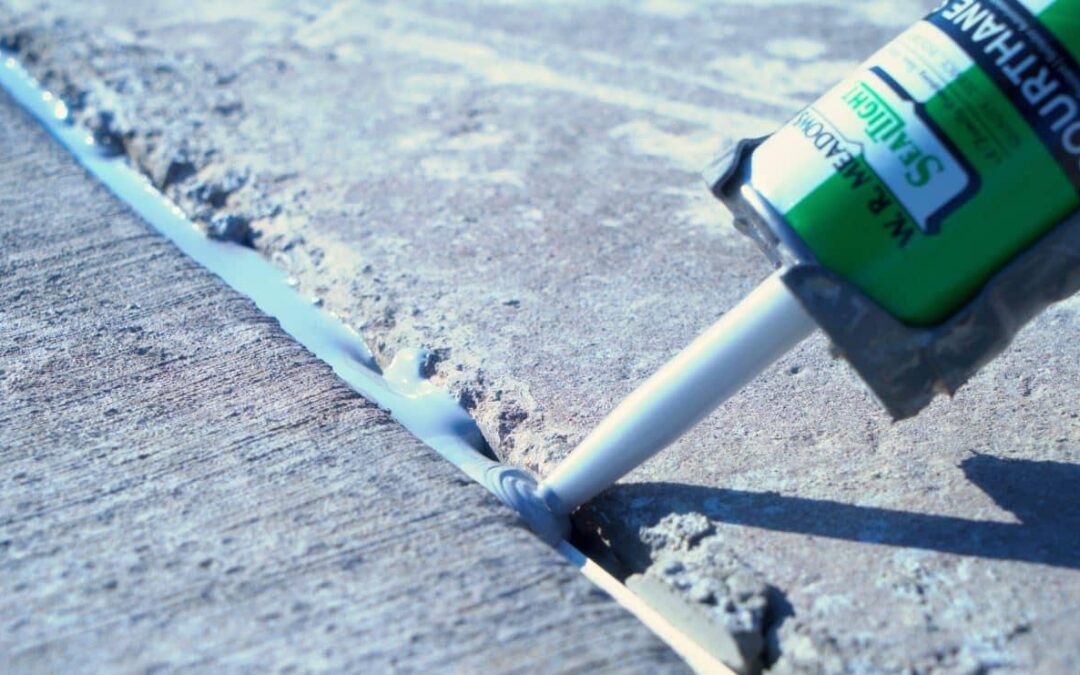
If you have ever climbed up on a ladder to check out your roof, you might have noticed those lines of caulk where the shingles or flat roofing meet a vertical wall. These are sealant joints, and they are the unsung heroes of your home protection. Keeping water out of your house depends on these joints staying intact. If you are looking for a roof repair sandy contractor to fix a leak, there is a good chance the culprit is a split joint right at one of these terminations. It is a common headache for homeowners, but understanding why it happens can help you stay ahead of the damage.
The Push and Pull of Thermal Expansion
The biggest reason these joints fail is simply physics. Your house is not a static object. It is constantly moving. Building materials like wood, brick, metal, and shingles all expand when they get hot and shrink when they get cold. The problem is that they do not all move at the same rate.
Think about a hot July afternoon. The metal flashing on your roof might reach blistering temperatures and expand rapidly. Meanwhile, the wood framing inside the wall is staying relatively cool and moving much more slowly. The sealant joint is stuck right in the middle of these two competing forces. It has to stretch and compress all day long. Over time, the material loses its elasticity. It gets brittle and eventually just snaps or pulls away from the surface. This is why you often see splits appearing after a particularly harsh summer or a sudden cold snap.
Poor Surface Preparation During Installation
Sometimes the failure starts before the sealant even leaves the tube. For a joint to last, it needs a pristine surface to grab onto. If a contractor applied the caulk over old, crumbling sealant or on a surface covered in dust and pollen, it never stood a chance.
Sealant requires a mechanical bond with the substrate. If there is moisture trapped on the wall or the roof edge during installation, the sealant will skin over without actually sticking. You might not notice it for a few months, but as soon as the wind picks up or the house settles, the bead of caulk will peel away like a dry sticker. Proper cleaning with a solvent or a wire brush is the boring part of the job that many people skip, but it is the most important part for longevity.
Structural Settling and Vibration
New houses are notorious for settling, but even older homes shift as the soil underneath them changes moisture levels. When a house settles, the walls and the roof deck might move in opposite directions. Even a shift of a fraction of an inch is enough to tear a bead of sealant that has already hardened with age.
Vibration also plays a subtle role. If you live near a busy road or have heavy equipment operating nearby, the constant micro-vibrations can fatigue the sealant material. It is a slow process of wear and tear. The joint does not just explode one day. Instead, tiny micro-cracks form. Water gets into those cracks, freezes during the winter, expands, and turns a small problem into a gaping hole.
Choosing the Wrong Material for the Job
Not all caulk is created equal. You can go to a hardware store and find tubes of "All-Purpose" sealant for five dollars, but that does not mean it belongs on your roof. Silicone, polyurethane, and tripolymer sealants all have different strengths.
If someone used a cheap latex-based caulk at a roof-to-wall termination, it is guaranteed to fail. Roof joints need high-movement capability. If the material is too rigid, it cannot handle the swaying of the building. Furthermore, many cheap sealants cannot handle the intense UV radiation from the sun. The sun actually cooks the chemicals in the sealant, causing it to shrink and crack. Professional-grade materials are designed to stay flexible for decades, but they cost more and require more skill to apply correctly.
The Absence of a Backer Rod
A very technical but common reason for splitting is something called three-sided adhesion. Ideally, a sealant joint should only stick to two sides: the wall and the roof flashing. This allows the middle of the sealant to stretch like a rubber band.
If the gap between the wall and the roof is deep and the installer just filled the whole hole with caulk, the sealant sticks to the back of the gap too. Now, when the joint tries to move, it is being pulled from three directions at once. It cannot stretch properly, so it tears right down the middle. Pros use a foam "backer rod" to fill the deep part of the gap. This ensures the sealant only bonds to the sides, giving it the freedom to move as the house breathes.
Final Word
Ignoring a split joint at a roof-to-wall termination is a recipe for mold and rot. While it seems like a small detail, these gaps are the primary entry points for water that eventually ruins your drywall and insulation. If you spot a gap, it is best to call a roof repair sandy contractor to evaluate the situation before the next big storm hits. A little bit of preventative maintenance today goes a long way in saving you from a massive renovation bill tomorrow. Stay vigilant and keep those joints sealed tight.