
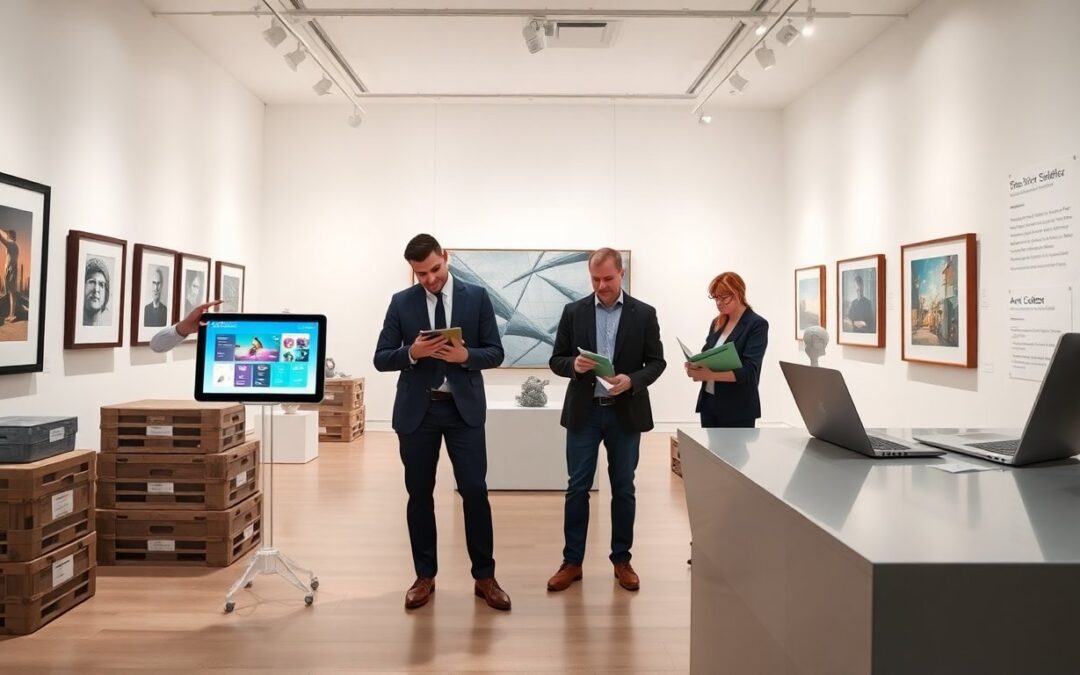
The-art-world galleries drive careers, sales, and public taste. They present work, set prices, and connect artists with collectors. The-art-world galleries host shows, manage logistics, and build reputations. This article explains how they operate, how artists and collectors choose them, and which changes will matter most in 2026.
Key Takeaways
- The-art-world galleries act as essential intermediaries, curating exhibitions and setting prices to connect artists with collectors effectively.
- Artists and collectors choose galleries based on reputation, transparency, communication, and gallery resources to ensure career growth and trustworthy transactions.
- Galleries invest in marketing, digital tools, and partnerships to expand reach, using data and online platforms to innovate while maintaining artistic integrity.
- Future galleries will blend physical spaces with digital programs, adapting to market shifts by embracing new collectors and socially engaged art trends.
- Clear communication, secure payment methods, and verified provenance remain crucial for galleries to sustain trust and relevance in the art market.
How Contemporary Galleries Operate Today
Galleries act as intermediaries between artists and buyers. They curate exhibitions, promote artists, and handle sales. Galleries book venues, design displays, and schedule openings. Staff photograph work, write labels, and manage shipping. They set prices based on demand, provenance, and costs.
Galleries invest in artists they believe will grow. They sign representation agreements, plan solo shows, and place works in collections. Galleries negotiate consignments and guarantee payments in some cases. They track market data and adjust pricing to reflect trends.
Galleries use marketing to expand reach. They send press releases, run email campaigns, and post on social media. They host VIP previews to attract collectors and critics. Galleries also develop catalogs and digital archives to document sales and exhibitions.
Galleries handle legal and financial tasks. They draft contracts, manage invoices, and insure shipments. They coordinate condition reports and provenance records. Galleries maintain databases of clients and works to support follow-up sales.
Galleries vary by size and model. Blue-chip galleries focus on established names and large fairs. Mid-size galleries balance emerging and mid-career artists. Small project spaces take risks on new voices and experimental formats. Each gallery type uses different budgets, staffing, and strategies.
Galleries collaborate with external partners. They work with museums on loans and curators on research. They partner with advisors and consultants to reach new clients. Galleries also work with online platforms to list works and reach remote buyers.
Collectors rely on galleries for expertise. Galleries advise on condition, rarity, and market value. They offer private viewings and payment plans. Collectors often buy through trusted galleries to reduce risk and gain authentication.
Galleries face common challenges. Rising fair costs strain budgets. Storage and insurance costs increase overhead. Galleries must balance commercial pressure with artistic integrity. Still, galleries remain central to how art circulates and gains visibility.
Choosing The Right Gallery: What Artists And Collectors Should Look For
Artists assess galleries for fit, resources, and vision. They examine exhibition history, artist roster, and press coverage. Artists ask how the gallery markets work, who handles sales, and what support it offers for production and shipping. They request recent sales examples and references from other artists. Artists prefer galleries that show a clear plan for career growth and transparent contract terms.
Collectors evaluate galleries for trust, expertise, and service. They check provenance records, condition reports, and return policies. Collectors look for galleries that disclose fees, consignment terms, and any resale percentages. They value galleries that provide clear documentation and secure payment methods. Collectors also assess a gallery’s connections to museums and other collectors to gauge long-term value.
Both artists and collectors test communication. They note how quickly staff respond and how clearly staff explain processes. Clear communication reduces mistakes and builds confidence. Both parties prefer galleries that keep accurate records and follow consistent procedures.
Location and exhibition strategy matter. Galleries in major art centers offer access to more critics and collectors. Regional galleries can provide stronger local support and lower overhead. Artists and collectors weigh travel costs against exposure. They also consider whether the gallery participates in major fairs and publishes catalogs.
Terms and transparency guide final decisions. Artists review commission rates, duration of representation, and exit clauses. Collectors review return windows, framing standards, and authenticity guarantees. Both parties seek written agreements that state responsibilities and timelines.
Reputation and relationships drive choices. Artists join galleries that other artists respect. Collectors buy from galleries that advisors recommend. Long-term relationships with galleries often yield better pricing, priority access, and curated advice. People choose galleries that match their values and goals.
The Future Of Galleries: Digital Innovation, Access, And Market Shifts
Galleries adopt digital tools to expand audiences. They upload high-resolution images, 3D views, and condition reports. Galleries stream openings and host virtual tours to reach remote collectors. They use online viewing rooms to run timed sales and private auctions. Galleries integrate secure payment systems to speed transactions.
Galleries use data to guide decisions. They analyze buyer behavior, track search trends, and monitor secondary market prices. Galleries apply that data to price works, plan shows, and target outreach. They test new artists with online-only drops before committing to full representation.
Galleries increase access for newer collectors. They offer fractional ownership, payment plans, and curated starter collections. Galleries create education programs and talks to demystify buying. They partner with schools and community groups to broaden participation.
Galleries face competition from direct sales and online platforms. Some collectors buy from artist websites or marketplaces. Galleries respond by highlighting expertise, authentication, and service. They emphasize provenance and physical inspection to justify their role.
Galleries experiment with hybrid models. They maintain physical spaces while expanding digital programs. They lease smaller galleries to lower costs and test new markets. Galleries collaborate with tech firms to build secure provenance tools and blockchain records.
Market shifts will change who buys and what sells. Younger collectors favor emerging voices and socially engaged art. Global demand will move prices for certain regions and practices. Galleries that adapt pricing strategies and outreach will capture new buyers.
Galleries must balance innovation with care. They adopt new tools while preserving trust, condition standards, and documentation. Galleries that focus on clear communication, verified records, and steady relationships will remain central to how art finds its place in collections and culture.